Lake Como wooden boat tours: boarding and mobility questions before booking
30 October 2026 · 4 min read
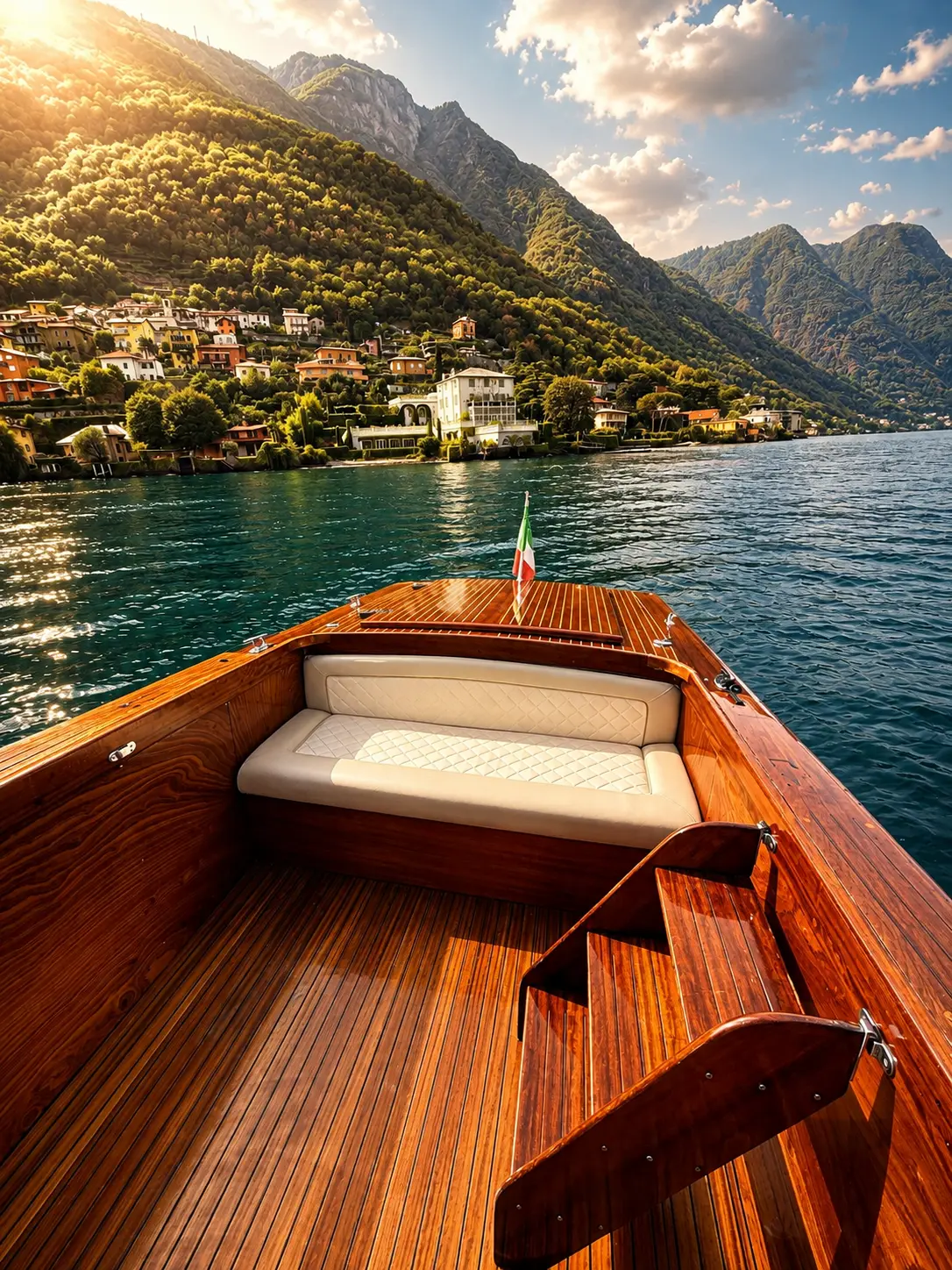
Start with the boarding arrangement, not the photograph
A private wooden boat tour can be an appealing way to enjoy Lake Como without spending the whole outing walking between sights. But a seated cruise still involves reaching a landing, moving from dock to boat and getting ashore again. If steps, balance or standing for a short period matter to someone in your group, investigate those transitions before payment. A polished fleet photograph is not an accessibility assessment. This guide helps you ask practical questions; it does not certify any boat or pier as wheelchair accessible, promise easy boarding or offer medical advice. Describe what the passenger needs to do comfortably rather than assuming that a private service removes every obstacle.
Check the dock and boat together
The boarding arrangement is a combination of a particular vessel and a particular dock. A convenient town or hotel name tells you little about that combination. Ask for the exact proposed meeting point and how you reach the edge where boarding takes place: are there steps on the approach, uneven surfaces or somewhere to wait seated? VABA's piers page lists Como–Villa Santa Margherita on Viale Geno among its pickup points, but a listed location is not a promise of step-free access. Confirm the landing intended for your outing. Berth access and the boat's position must be checked rather than inferred from a map pin.
Review VABA's piers and pickup points →Ask specific questions about the transfer aboard
Give the operator questions they can answer for the proposed departure. How many steps are involved between the landing and the passenger seating? Is there a gap to cross, or a change in level? Which handrails or fixed handholds, if any, can be used during boarding? Where can the passenger place their feet, and can the skipper explain the sequence before they start? If dimensions are essential, request information about the actual arrangement instead of relying on an estimated boarding height. Ask how boat movement is managed while boarding and whether stable footing can be assessed on the day. These are questions, not descriptions of equipment VABA guarantees to provide.
Think beyond the first step: seating and movement
Once aboard, consider the route from the entry point to a suitable seat. Ask whether that route has further steps, narrow passages or a need to bend, and whether the passenger can remain seated throughout the sightseeing portion. Clarify the type of seating, back support and room needed by your group. VABA's fleet describes different wooden taxi layouts, including open areas and sheltered seating; those descriptions do not establish identical access between boats. View the current fleet photographs and ask which vessel is proposed. A picture of one boat does not guarantee its assignment, and sheltered seating alone does not make the route to that seat suitable.
Inspect the current wooden boat fleet →Agree what assistance would actually be needed
Explain assistance requirements before paying, especially if the trip depends on them. For example, a passenger may need time to move one step at a time, a companion beside them or somewhere to pause. Ask what the operator can safely provide and what companions would need to do. Do not assume crew will lift a passenger, carry a wheelchair or supply ramps or other equipment. If a mobility aid is involved, discuss its use, storage and the proposed boarding process explicitly; there is no wheelchair-accessibility guarantee here. You do not need to share a diagnosis to start this practical conversation. If essential requirements cannot be confirmed, leave the booking uncommitted.
Ask the team about your essential boarding requirements →Plan the return as carefully as the departure
Ask about disembarking as well as embarking. Even a return cruise may encounter a different boat-to-dock relationship, and an agreed alternative landing would need its own suitability check. A stop in another village adds another transfer, not simply extra sightseeing. Consider whether a continuous cruise without a shore stop would reduce the transitions your group needs to manage, while recognising that departure and return still require boarding. Agree how you will be informed if the proposed vessel, meeting point or landing changes. Suitable departure arrangements do not guarantee the same weather, berth access or footing later. Follow the skipper's instructions rather than proceeding with an unsuitable transfer because the tour is booked.
Confirm suitability, then choose your cruise
For a focused southern-lake outing, VABA's Como villas one-hour tour is an existing option to consider; shorter duration is not proof of easier access. Contact the team with your intended date, group size, preferred pickup and the boarding requirements that are essential. Ask them to confirm the proposed boat, meeting point, seating and assistance plan before payment. Once suitability is confirmed, open the booking page to choose the tour details and an available time, then review the current quote and terms. This article creates neither availability nor a reservation. If an essential detail remains unresolved, ask for a workable alternative rather than paying on the strength of the fleet photo.
Consider the southern-lake Como villas one-hour tour →Once suitability is confirmed, choose your tour and check times →Want to see it from the water?
Pick a duration and we handle the itinerary, the boarding jetty and the best hour for the light.
Send us an inquiryBlog
Related guides
4 min read
Best private Lake Como boat tours for your 2027 trip
A decision guide for choosing a private cruise by route, boat, boarding point and the time you actually have—not a paid ranking.
Read more
4 min read
Villa d'Este and Cernobbio: planning a private boat pickup
How to organise a cruise near Villa d'Este, confirm the right landing and keep hotel access separate from a sightseeing tour.
Read more